



How to Build a Personal Brand That Opens Career Doors (Even If You\'re Starting from Zero)

Your personal brand already exists. The question is whether you're shaping it — or leaving that to chance. Every email you send, every conversation you have, every LinkedIn post you publish (or don't) is adding a brushstroke to a portrait others are already forming of you. Building a personal brand intentionally means taking the brush back into your own hands.
This isn't about becoming an influencer or crafting a polished persona that doesn't feel like you. It's about owning your narrative, communicating your value clearly, and showing up in ways that attract the right opportunities — the ones that actually align with where you want to go.
What a Personal Brand Really Means (And What It Doesn't)
A personal brand is the impression you leave when you're not in the room — the combination of your skills, values, reputation, and the way others experience working with you. It's not a logo, a catchphrase, or something reserved for executives and content creators.
One of the most persistent myths is that personal branding requires a massive following or an extroverted personality. It doesn't. Some of the most powerful personal brands belong to women who never post daily, don't have a podcast, and aren't trying to be famous in their field. What they do have is clarity about what they stand for and consistency in how they show up.
Think of your personal brand as your professional reputation made visible. When a colleague recommends you for a project, when a recruiter finds your profile and reaches out, when someone thinks of you for a speaking opportunity — that's your brand working. The goal isn't to impress everyone. It's to be unmistakably recognizable to the right people.
Start With Your Unique Value Proposition
Your unique value proposition (UVP) is the foundation of everything else. It answers one deceptively simple question: what do you bring that others don't, and who specifically benefits from it?
Start by mapping three things: your core strengths, your lived experiences, and the problems you're genuinely good at solving. The intersection of those three is where your UVP lives. It's rarely obvious at first — most women undersell themselves here, especially if they've been trained to treat competence as self-evident.
A useful exercise: ask five people who know your work well to describe you in three words. Then ask what they'd say you're the go-to person for. The patterns that emerge are often more revealing than any self-assessment. You're looking for the specific, not the generic. "Good communicator" is forgettable. "Makes complex data understandable to non-technical stakeholders" is a UVP.
Write your UVP down in one or two sentences. It doesn't need to be perfect. It needs to be honest and specific enough that the right person reads it and thinks: that's exactly what I need.
Choose Your Platforms Intentionally
You don't need to be everywhere — you need to be consistent where it counts. Platform choice should follow your goals and your industry, not what's trending.
For most professionals, LinkedIn presence is non-negotiable. It's where recruiters search, where collaborators evaluate credibility, and where thought leadership compounds over time. A complete, well-written LinkedIn profile with a clear headline and a summary that reflects your UVP is the single highest-leverage move for most women building a professional brand.
Beyond LinkedIn, choose one additional channel based on where your niche audience actually spends time. Writers and consultants often thrive on Substack or Medium. Designers and creatives find Instagram or Behance more relevant. Educators and coaches increasingly use short-form video. The platform matters less than your consistency on it.
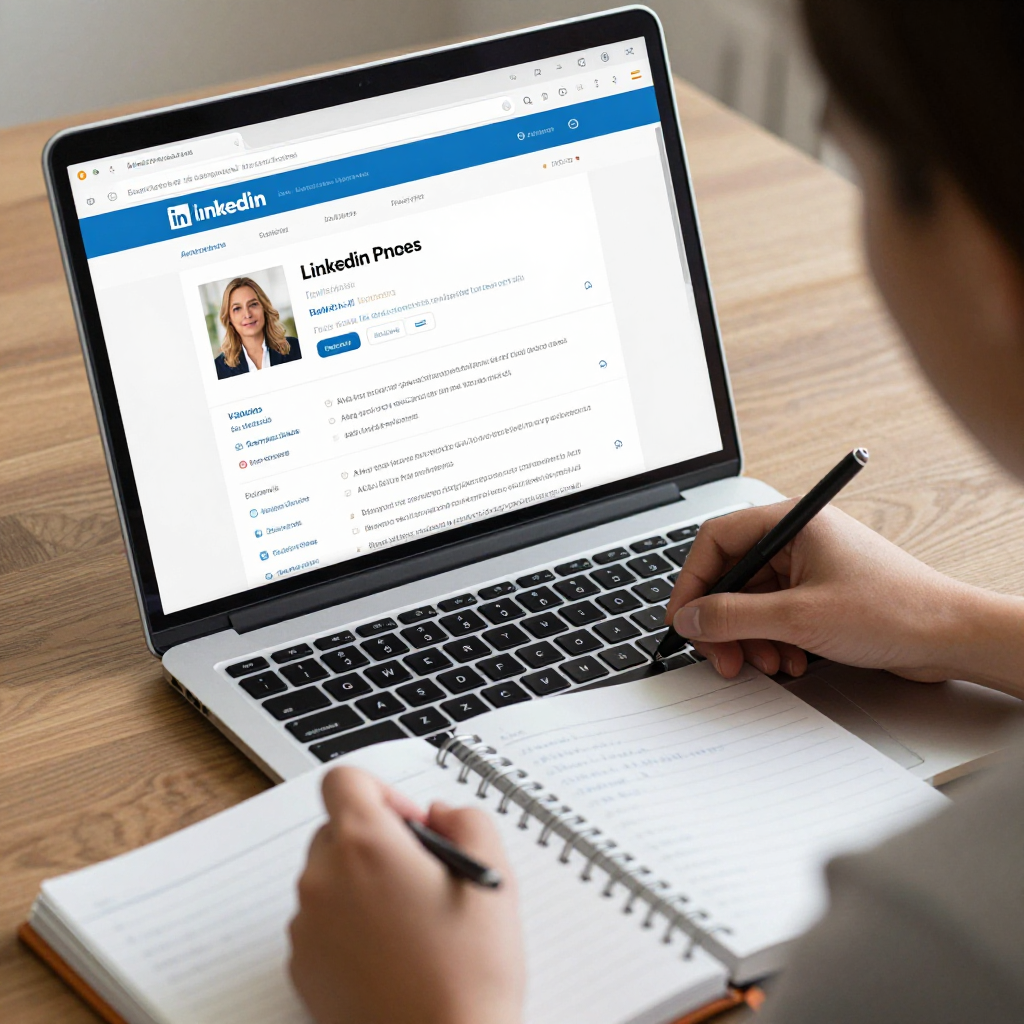
A common mistake is spreading thin across five platforms and doing none of them well. Two channels done consistently will always outperform six channels done sporadically. Start with LinkedIn and one other. Master those before expanding.
Craft Your Story and Communicate It Consistently
Authentic storytelling is what transforms a resume into a brand. Facts tell people what you've done; stories help them understand who you are and why it matters.
Your career story doesn't need to be linear or impressive-sounding. Some of the most compelling professional narratives involve pivots, setbacks, and unexpected detours — because those are the parts people actually connect with. The moment you decided to leave a stable job. The project that failed and what you learned from it. The mentor who changed how you thought about your work.
Consistency doesn't mean saying the same thing on repeat. It means your values, your voice, and your focus area remain recognizable across contexts. Your LinkedIn bio, your email signature, how you introduce yourself at events, the topics you write about — they should all point toward the same coherent picture of who you are professionally.
A practical rule: before you post, ask whether this content reflects the professional you're building toward, not just the one you are today. That small shift in framing makes content creation feel purposeful rather than performative.
Build Visibility Through Thought Leadership
Thought leadership is simply sharing what you know in ways that help others — and doing it consistently enough that people start to associate your name with that expertise. It doesn't require a TED Talk or a bestselling book.
Practical starting points include writing short LinkedIn posts about lessons from your work, contributing to industry newsletters or blogs, participating actively in professional communities or forums, and mentoring others in your field. Each of these builds your digital footprint and signals credibility to people who haven't met you yet.
The barrier most women hit here isn't lack of knowledge — it's imposter syndrome. The internal voice that says someone else has already said this better, or that you don't have enough credentials to weigh in. The antidote isn't waiting until you feel ready. It's starting with what you genuinely know and being honest about what you're still learning. Audiences trust people who acknowledge the edges of their expertise far more than those who perform omniscience.
Aim for one piece of content per week, even if it's just a paragraph. Frequency builds recognition; recognition builds opportunity.
Network With Purpose, Not Pressure
A strong personal brand makes networking feel less transactional — because you're no longer walking into a room asking "what can I get?" You're showing up with a clear sense of what you offer and who you're genuinely trying to connect with.
Purposeful networking means identifying a small number of people whose work you genuinely admire and finding real reasons to engage with them — commenting thoughtfully on their content, sharing their work with context, or reaching out with a specific and honest message. It's slower than mass-connecting, but the relationships it builds actually open career opportunities.
Online and offline networking reinforce each other. A strong LinkedIn presence gives you credibility before you walk into a room. A meaningful in-person conversation gives you a reason to follow up online. Think of your brand as the bridge between the two.
One reframe that helps: networking isn't asking for favors. It's building a community of people who know what you stand for. When the right opportunity comes up, they think of you — not because you asked them to, but because your brand made it obvious.
Maintain and Evolve Your Brand Over Time
Personal branding is ongoing work, not a one-time project. Your brand should grow as you grow — and that requires periodic reflection and honest auditing.
Every six months, revisit your UVP and ask whether it still reflects where you're headed. Review your LinkedIn profile, your bio on any platforms you use, and the kind of content you've been sharing. Does it still tell the story you want told? Are you attracting the right opportunities, or the wrong ones?
Career pivots, promotions, new skills, and changing goals all warrant a brand refresh. The women who build lasting professional reputations aren't the ones who locked in a brand at 28 and never touched it again. They're the ones who stayed curious about who they were becoming and updated the story accordingly.
Small, consistent actions compound. A LinkedIn post today might lead to a speaking invitation in eight months. A comment you left on someone's article might spark a collaboration a year from now. The timeline is longer than most people expect — and that's fine. You're building something that lasts.
Frequently Asked Questions
How long does it take to build a personal brand?
Most people start seeing tangible results — inbound messages, speaking invitations, new connections — within six to twelve months of consistent effort. That said, a strong professional reputation builds over years, not weeks. The earlier you start, the more that consistency compounds.
Can I build a personal brand while working a 9-to-5?
Absolutely — and many of the most effective personal brands belong to people who built them alongside full-time jobs. Even 30 minutes a week dedicated to updating your LinkedIn profile, writing one post, or engaging with your professional community makes a measurable difference over time.
What if I'm in a traditional industry — does personal branding still apply?
Yes, especially in traditional industries where most professionals aren't doing it yet. Standing out in law, finance, healthcare, or engineering by sharing your perspective online is often easier, not harder, because there's less noise. Your professional reputation in those fields is your brand — making it visible is simply strategy.
How do I self-promote without feeling like I'm bragging?
Shift the frame from "look at me" to "here's what I learned" or "here's what helped me — maybe it helps you too." Sharing expertise, lessons, and honest reflections is generous, not boastful. The discomfort around visibility is real, but it's worth examining whether it's holding you back from opportunities you've genuinely earned.
Do I need a website to have a strong personal brand?
No — especially not at the start. A fully optimized LinkedIn profile does more for most professionals than a website that gets minimal traffic. A personal website becomes valuable later, particularly for consultants, speakers, and entrepreneurs who need a central hub for their work. Start with the platforms where your audience already is.